Editorial Transparency: Content compiled from official
government sources by the GlobalMobilityAI Research Team.
For personalized legal or immigration advice, consult a
licensed immigration consultant or lawyer.
(Last Updated: 2026-05-16)
As of early 2024, the Netherlands continues to experience a structural labor shortage, with over 400,000 vacant positions across technical and professional sectors, making the Netherlands Highly Skilled Migrant Visa 2026 the primary engine for Dutch economic growth. (Source: CBS Netherlands, 2024) [https://www.cbs.nl/en-gb/news/2024/07/number-of-job-vacancies-remains-high] For global professionals seeking a foothold in the European Union, the Dutch "kennismigrant" route offers one of the most streamlined, predictable, and financially rewarding relocation pathways available. By integrating official IND (Immigration and Naturalisation Service) regulatory data with real-time labor market trends from GlobalMobilityAI.xyz, this guide provides a clinical breakdown of the 2026 landscape. Whether you are navigating the recent legislative shifts in the 30% tax ruling or evaluating the salary benchmarks for Eindhoven’s tech hub or Amsterdam’s financial district, this blueprint delivers the tactical intelligence required to approach your Dutch residence permit application with the accuracy it demands. By the end of this analysis, you will possess a phase-by-phase roadmap to transition from applicant to resident in one of the world’s most stable and high-performing economies.
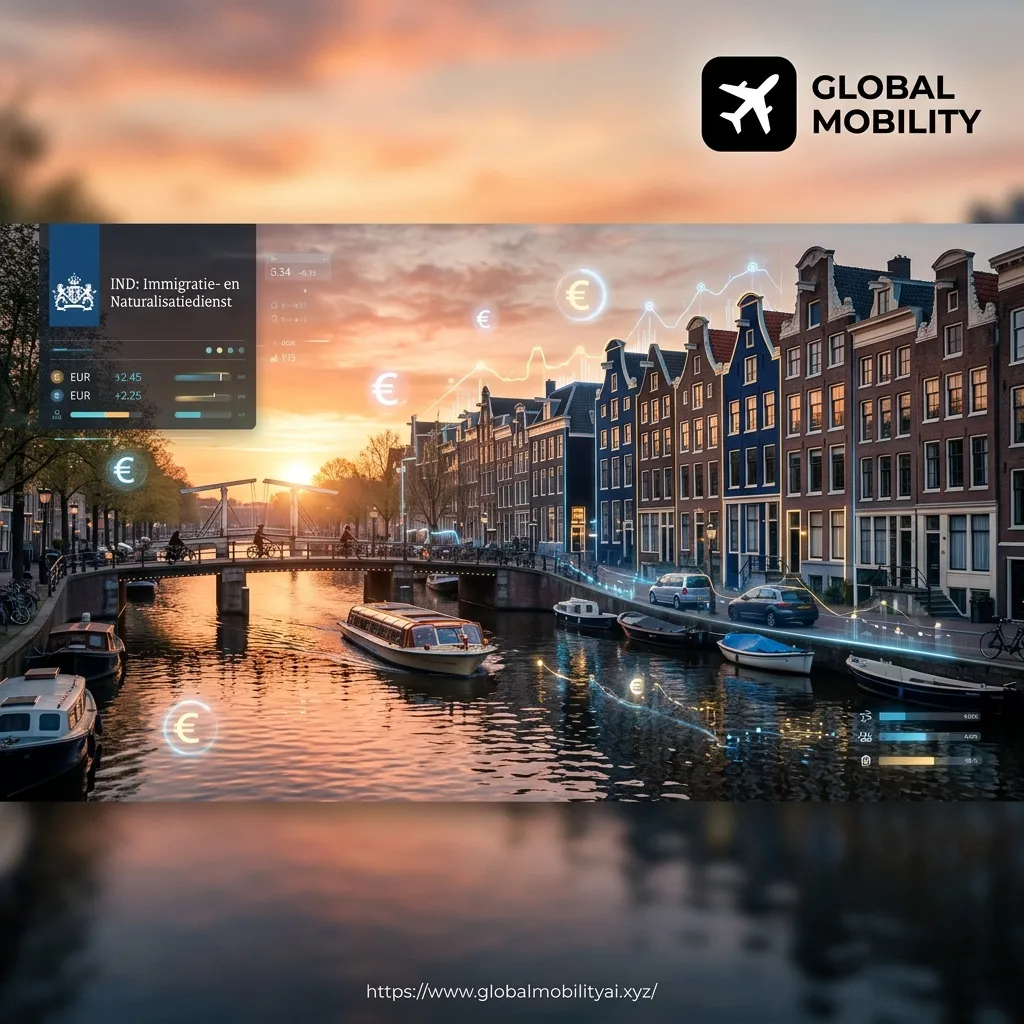
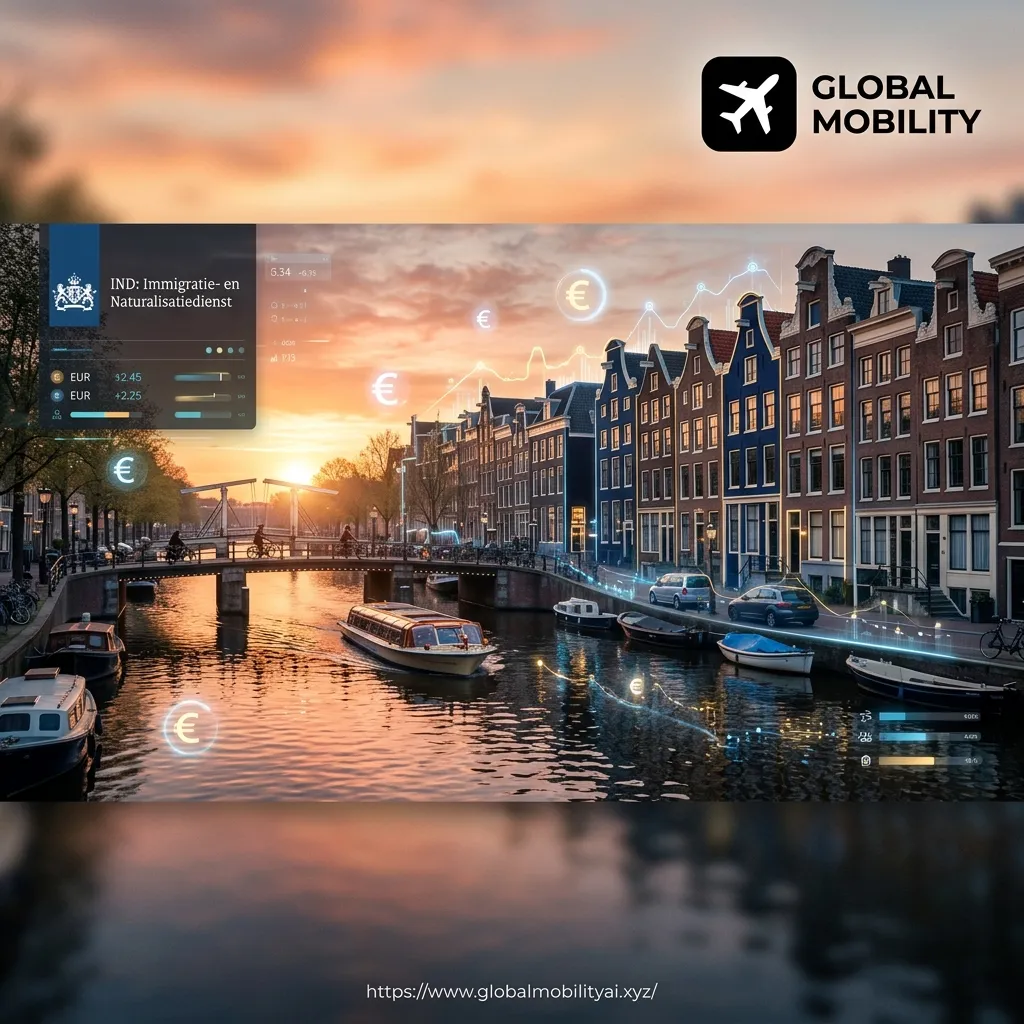
A comprehensive visual overview of the Dutch immigration landscape for 2026, highlighting the strategic importance of the highly skilled migrant route.

Table of Contents
Netherlands Highly Skilled Migrant Visa 2026
1. Why Netherlands in 2026? — The Strategic Case
The Netherlands remains a premier destination for global talent, not merely for its high quality of life, but for its role as a critical hub in the global supply chain and digital economy. In 2026, the strategic case for the Netherlands is built on economic resilience and a proactive approach to attracting top-tier human capital.
1.1 Economic Landscape & Opportunity
The Dutch economy is characterized by its international orientation, world-class infrastructure, and a highly educated workforce. In 2023, the Netherlands maintained a GDP of approximately $1.09 trillion, with a projected growth rate that continues to outpace many of its Eurozone neighbors. (Source: World Bank, 2023 — latest available at time of publication) [https://data.worldbank.org/indicator/NY.GDP.MKTP.CD?locations=NL] The "Top Sectors" policy of the Dutch government—focusing on High Tech, Agri-Food, Water Management, and Life Sciences—has created a persistent demand for specialized skills that the domestic market cannot satisfy.
According to the OECD Economic Outlook (2024), the Netherlands ranks as one of the most productive countries per hour worked, a metric supported by the heavy integration of automation and AI in Dutch industrial processes. (Source: OECD, 2024) [https://www.oecd.org/netherlands/netherlands-economic-snapshot/] This technological tilt means that for professionals in MINT (Mathematics, Informatics, Natural Sciences, and Technology) fields, the Netherlands is not just a place to work, but a place to lead global innovation.
1.2 Why Professionals Are Targeting This Destination
Platform search trends on GlobalMobilityAI.xyz indicate sustained and growing interest from South Asian and African professionals in Dutch residency pathways heading into 2026. This surge is driven by two primary factors: the transparency of the Dutch immigration system and the unique fiscal benefits available to foreign experts. Unlike the more complex and quota-driven systems in the United States or the UK, the Dutch Highly Skilled Migrant route is "employer-led," meaning that once a recognized sponsor offers you a qualifying contract, the visa approval is largely administrative and remarkably fast.
Furthermore, as we analyzed in our Germany Opportunity Card 2026 guide, while Germany offers a broader industrial base, the Netherlands provides a superior English-language environment. In Dutch business hubs, English is the primary working language for most multinationals, significantly lowering the "barrier to entry" for professionals from South Asia, the Americas, and the UK.
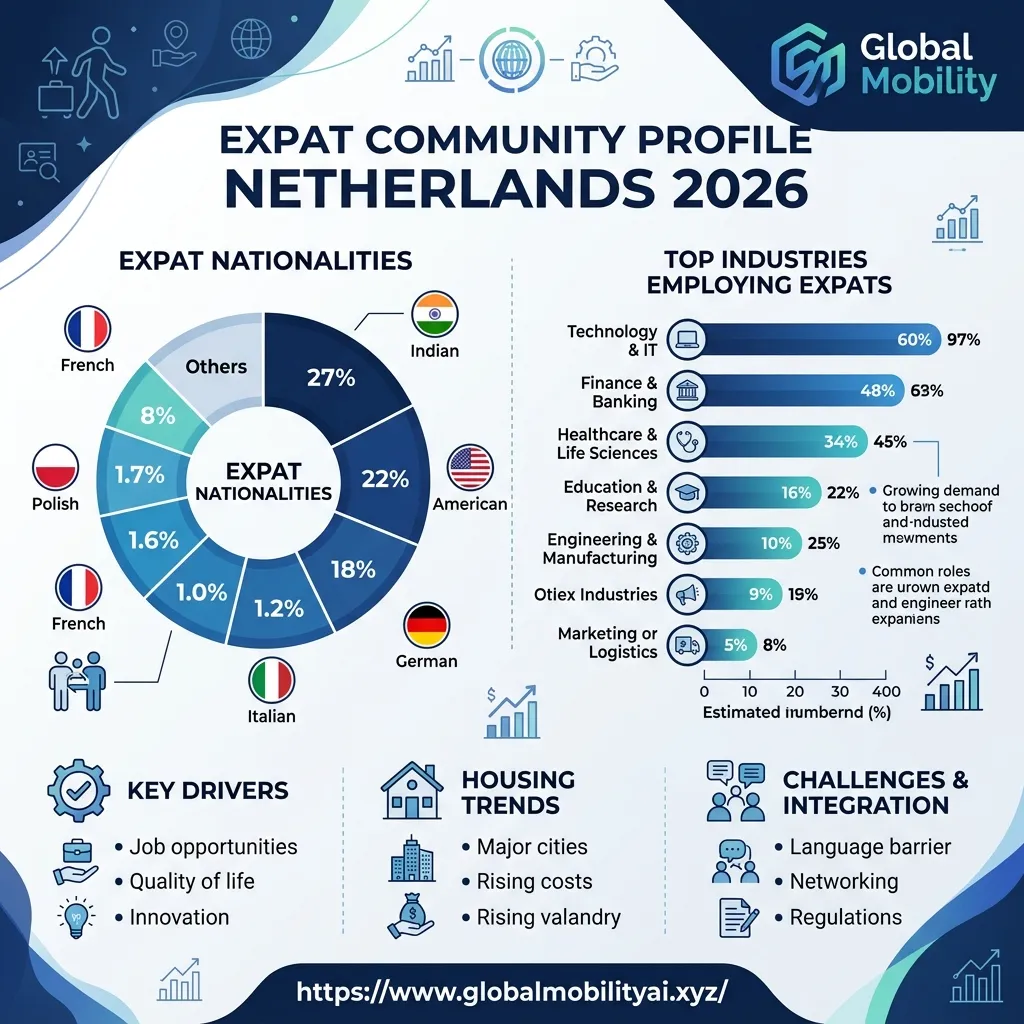
DEMO-INFOGRAPHIC-01: Expat Community Profile - Netherlands 2026
Expat community demographics in the Netherlands, illustrating the diverse nationality breakdown and industry distribution of highly skilled migrants.
(Source: IND Annual Report, 2024) [https://ind.nl/en/about-ind/figures-and-publications]
2. Deep-Dive Analysis: Netherlands Highly Skilled Migrant Visa 2026 Framework
The Netherlands Highly Skilled Migrant Visa 2026 (locally known as the Kennismigrant program) is a residency pathway designed specifically for non-EU/EEA nationals who have been recruited by a Dutch company that is a "Recognized Sponsor" with the IND.
2.1 Legal Requirements & Visa Categories
To qualify for the Highly Skilled Migrant status, an applicant must meet four critical criteria:
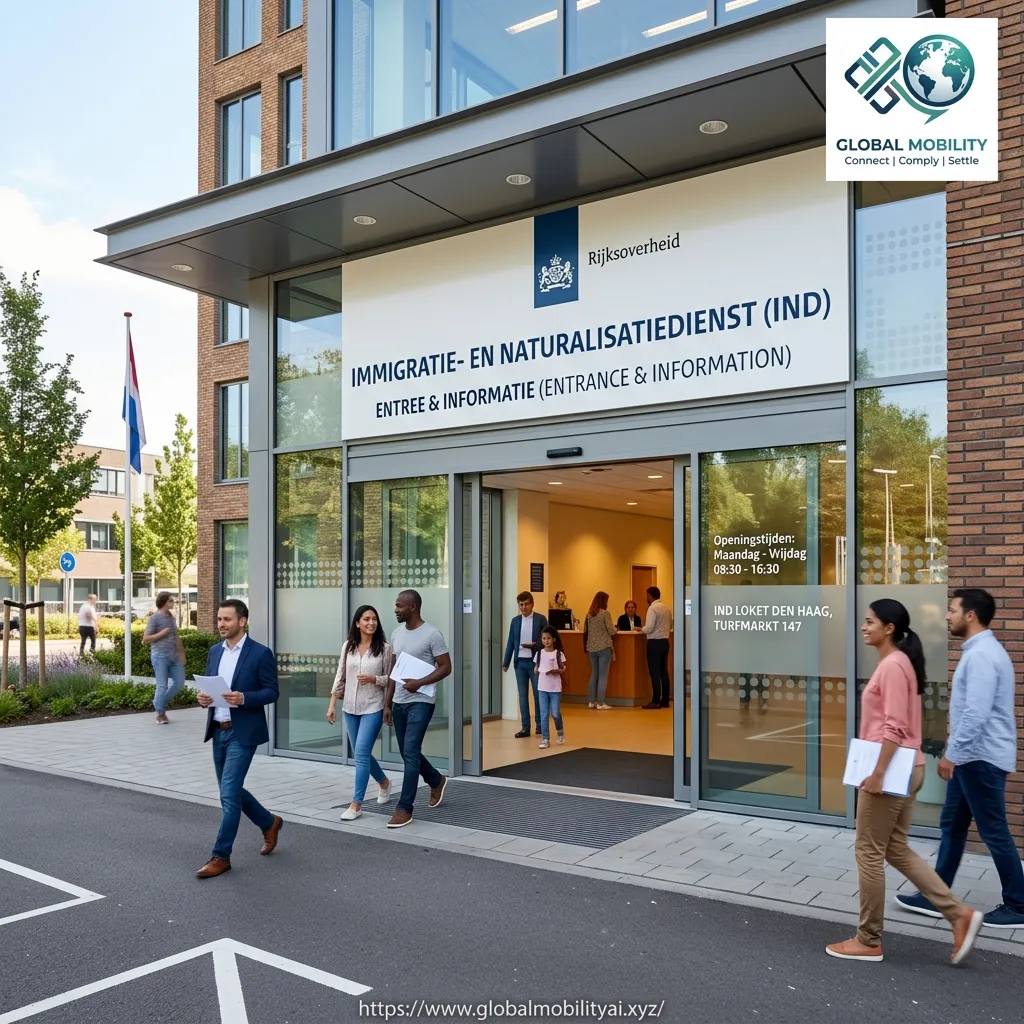
IMG-05: IND Office Entrance
The IND (Immigration and Naturalisation Service) manages the fast-track approval process.
2.2 Eligibility Criteria & Qualification Scoring
The Netherlands does not use a points-based system for the highly skilled migrant route, unlike the UK’s Skilled Worker visa or Singapore’s COMPASS. Instead, it is a "binary" eligibility system: if the salary, sponsor status, and contract requirements are met, the visa is granted. This predictability is a major competitive advantage for the Dutch market.
For those who do not meet the direct highly skilled migrant criteria, the European Blue Card remains an alternative. The EU Blue Card pathway remains an alternative — official requirements at: IND Blue Card Page{target="_blank" rel="noopener"}.
2.3 Required Documentation & Official Checklists
The documentation process is handled primarily by your employer. However, as an applicant, you must provide:
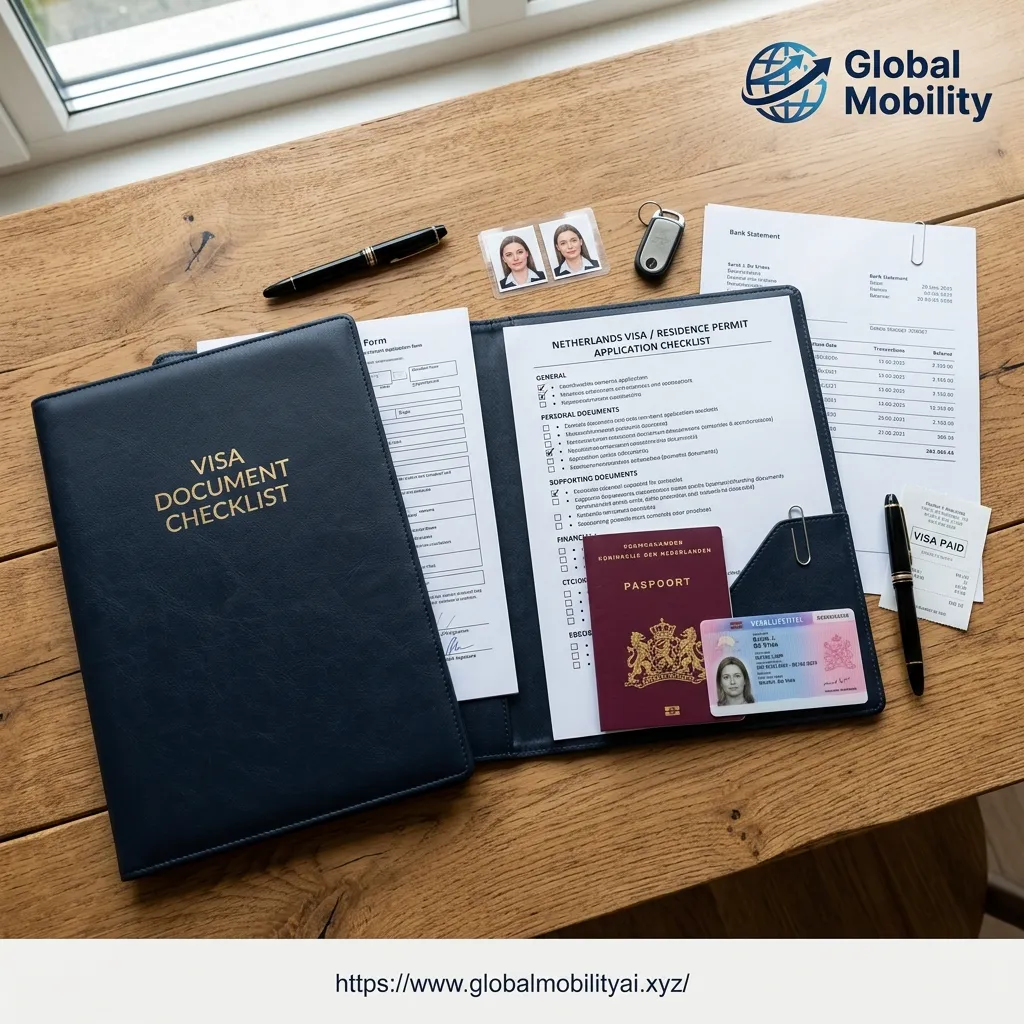
IMG-06: Visa Document Folder
Proper document legalization (Apostille) is the foundation of a successful Dutch visa application.
You can verify the current full document requirements at the official IND Application Portal.
3. City Guide — Where to Live in the Netherlands in 2026
The choice of city in the Netherlands significantly impacts both your cost of living and your social integration. While the "Randstad" area (the megalopolis consisting of Amsterdam, Rotterdam, The Hague, and Utrecht) remains the economic engine, secondary hubs are rising in prominence.
3.1 Top 5 Cities for Expats: Rankings & Analysis
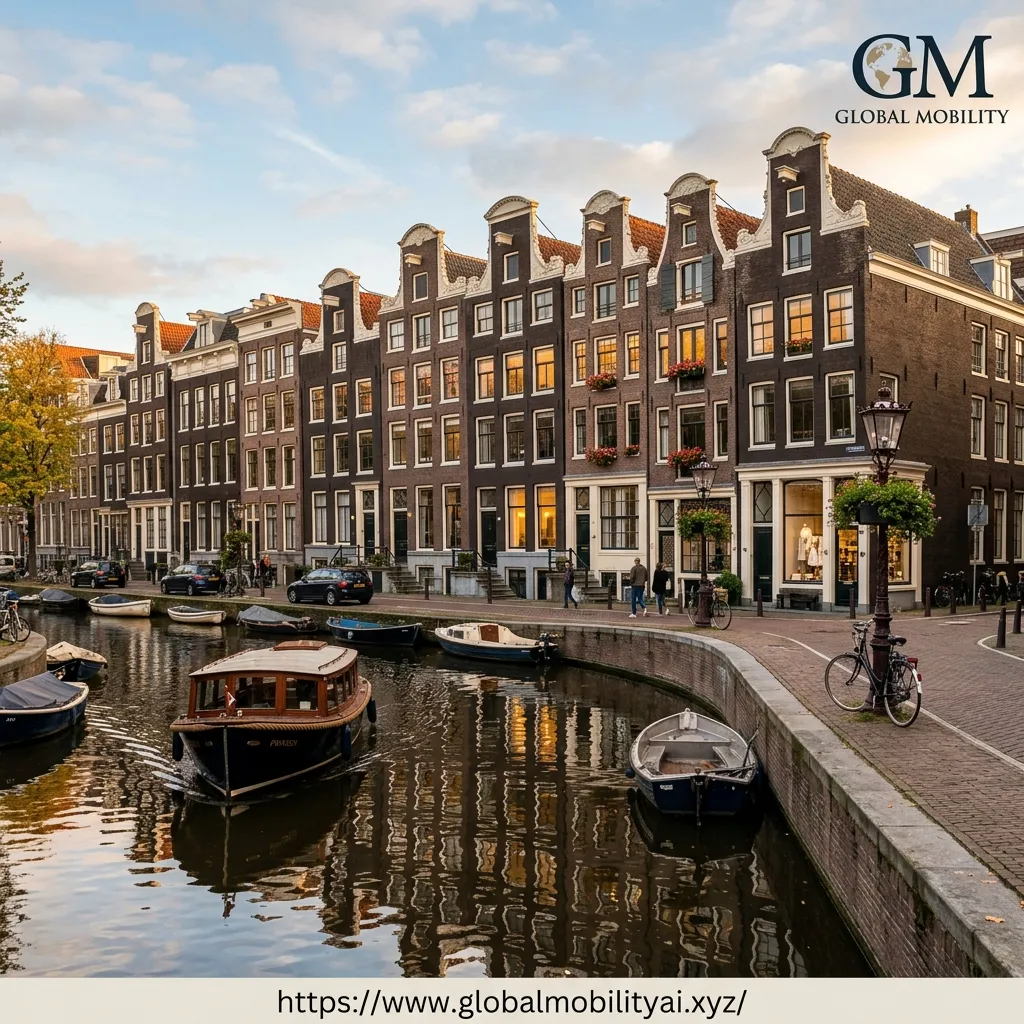
IMG-04: Amsterdam Canal Real Estate
Housing in Amsterdam remains the most significant expense for newly arrived expats.
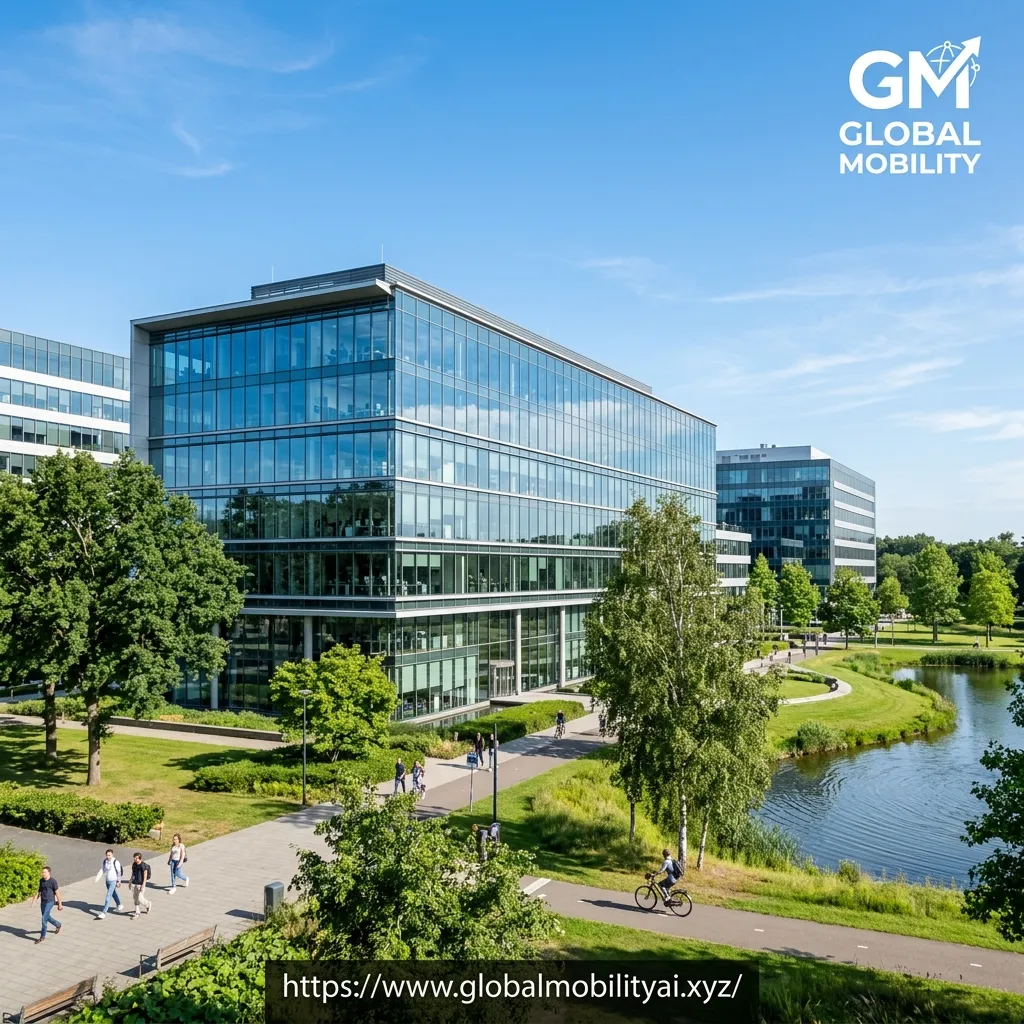
IMG-03: Tech Sector in Eindhoven
Eindhoven's Brainport region serves as the primary hub for tech-sector highly skilled migrants.
3.2 City Comparison Table
| City | Avg Rent 1BR (Centre) | Total Monthly Cost (Single) | Job Market | Safety Index | Expat Rating |
|---|---|---|---|---|---|
| Amsterdam | €1,950 | €3,050 | Exceptional | High | 9.2/10 |
| Eindhoven | €1,400 | €2,350 | High (Tech) | Very High | 8.8/10 |
| Rotterdam | €1,350 | €2,330 | High (Maritime) | Medium-High | 8.5/10 |
| The Hague | €1,300 | €2,220 | High (NGO/Gov) | High | 8.9/10 |
| Utrecht | €1,450 | €2,390 | Medium-High | Very High | 9.0/10 |
(Source: Numbeo Netherlands Index, 2024)
4. Cost of Living — Complete 2026 Breakdown
The Netherlands is a high-cost, high-reward environment. While inflation has stabilized in 2026, housing remains the single largest expenditure for any highly skilled migrant.
4.1 Monthly Budget Calculator Breakdown
For a single professional living in a mid-sized Dutch city in 2026, the estimated monthly budget (excluding rent) is summarized below:
| Category | Monthly Cost (EUR) | USD Equivalent (Approx.) |
|---|---|---|
| Groceries | €350 – €450 | $385 – $495 |
| Transport | €100 | $110 |
| Healthcare | €150 | $165 |
| Utilities | €200 | $220 |
| Leisure/Dining | €300 | $330 |
| **Total (Excl. Rent)** | **~€1,100 – €1,250** | **~$1,210 – $1,375** |
(Source: Numbeo Cost of Living Data, 2024) [https://www.numbeo.com/cost-of-living/country/Netherlands]
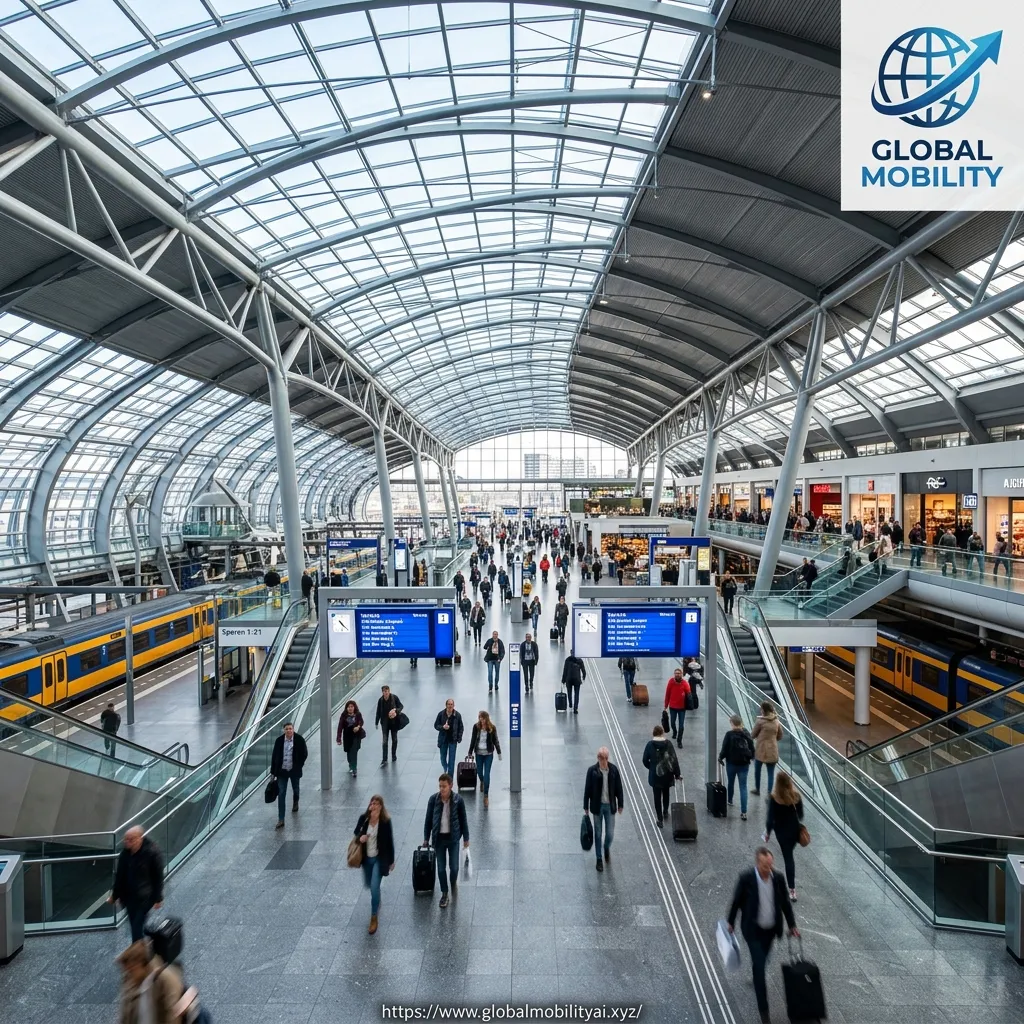
IMG-08: Utrecht Centraal Train Station
The Netherlands offers a world-class public transportation network for daily commuting.
4.2 Cost of Living vs. Salary: What You'll Actually Save
To understand the real financial benefit, we must look at net savings potential. The Netherlands’ 30% tax ruling is the most significant factor here.
| Level | Gross Annual Salary | Net Monthly (Approx) | Monthly Expenses | Net Savings |
|---|---|---|---|---|
| Entry | €48,000 | €3,100 | €2,200 | €900 |
| Mid | €75,000 | €4,800 (w/ 30% rule) | €2,800 | €2,000 |
| Senior | €110,000 | €6,400 (w/ 30% rule) | €3,500 | €2,900 |
(Net salary estimates derived using the Dutch Tax Authority Loonheffing calculator, 2024) [https://www.belastingdienst.nl/wps/wcm/connect/nl/rekenhulpen/content/rekenhulp-loonheffingen]
Note: Calculations assume 2024 tax brackets and inclusion of the 30% ruling for mid/senior roles. To model your specific scenario, we recommend using our monthly savings calculator abroad 2026 guide and the GlobalMobilityAI Cost of Living Calculator to customize these scenarios based on your specific family size and city choice.
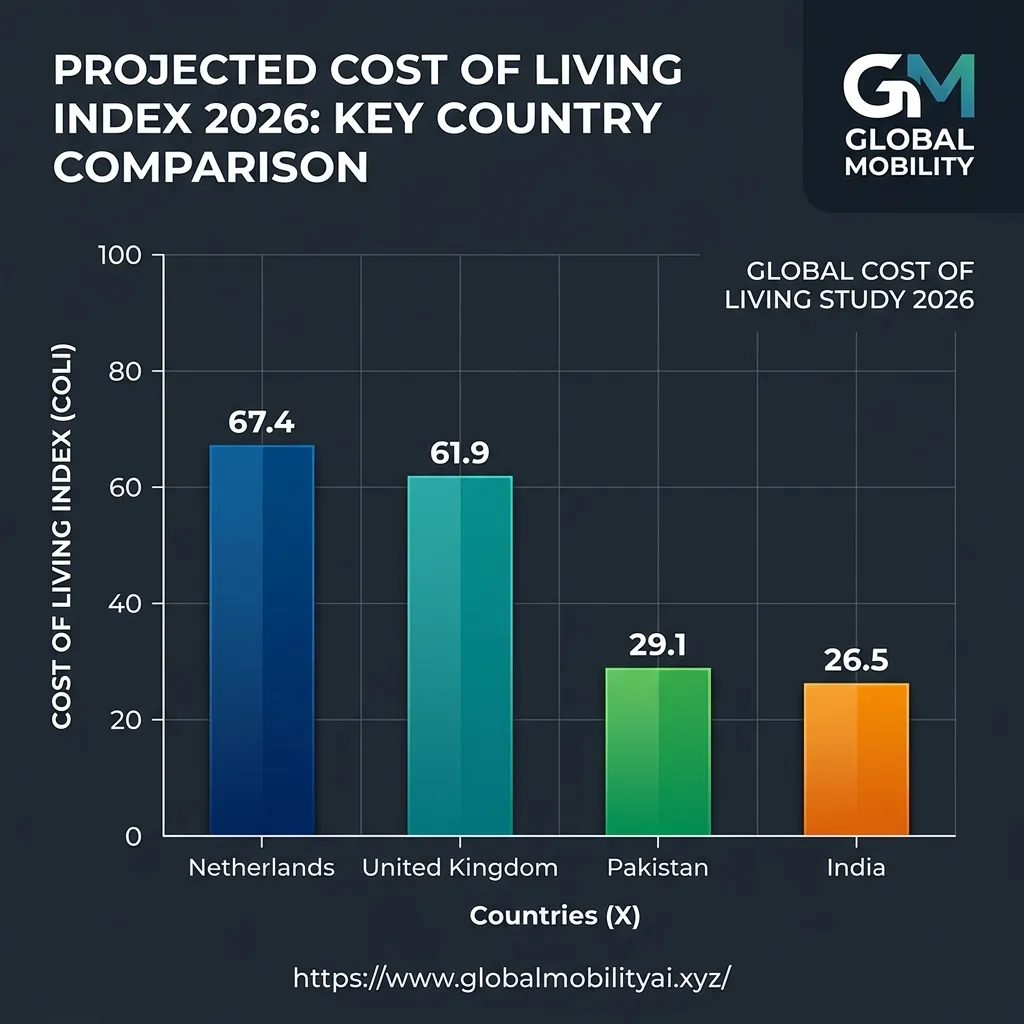
CHART-1: Cost of Living Comparison Bar Chart - Netherlands vs Pakistan, India, UK
A comparative analysis of cost of living indices, showing the relative expense of the Netherlands against major expat-sending countries.
4.3 Cost of Living Index vs. Home Countries
| Category | Netherlands | Pakistan | India | UK |
|---|---|---|---|---|
| Groceries | 100 (Base) | 28 | 32 | 88 |
| Rent Index | 100 (Base) | 12 | 18 | 94 |
| Restaurant | 100 (Base) | 22 | 25 | 92 |
(Source: Numbeo, 2024) [https://www.numbeo.com/cost-of-living/compare_countries.jsp]
5. Salary Data & Job Market Intelligence
Dutch salaries are competitive within Europe, and the job market is heavily skewed towards specialized "Knowledge Workers."
5.1 Average Salaries by Industry (2026 Data)
| Industry | Entry Level | Mid-Level | Senior | Currency |
|---|---|---|---|---|
| Software Engineering | €45,000 | €72,000 | €105,000 | EUR |
| Data Science/AI | €48,000 | €78,000 | €115,000 | EUR |
| Project Management | €42,000 | €65,000 | €95,000 | EUR |
| Mechanical Engineering | €44,000 | €70,000 | €100,000 | EUR |
| Financial Analysis | €40,000 | €68,000 | €98,000 | EUR |
(Source: StepStone.nl, 2024) [https://www.stepstone.nl/gehalt] and CBS Netherlands (Centraal Bureau voor de Statistiek), 2024 [https://www.cbs.nl/en-gb/visualisations/earnings-monitor]
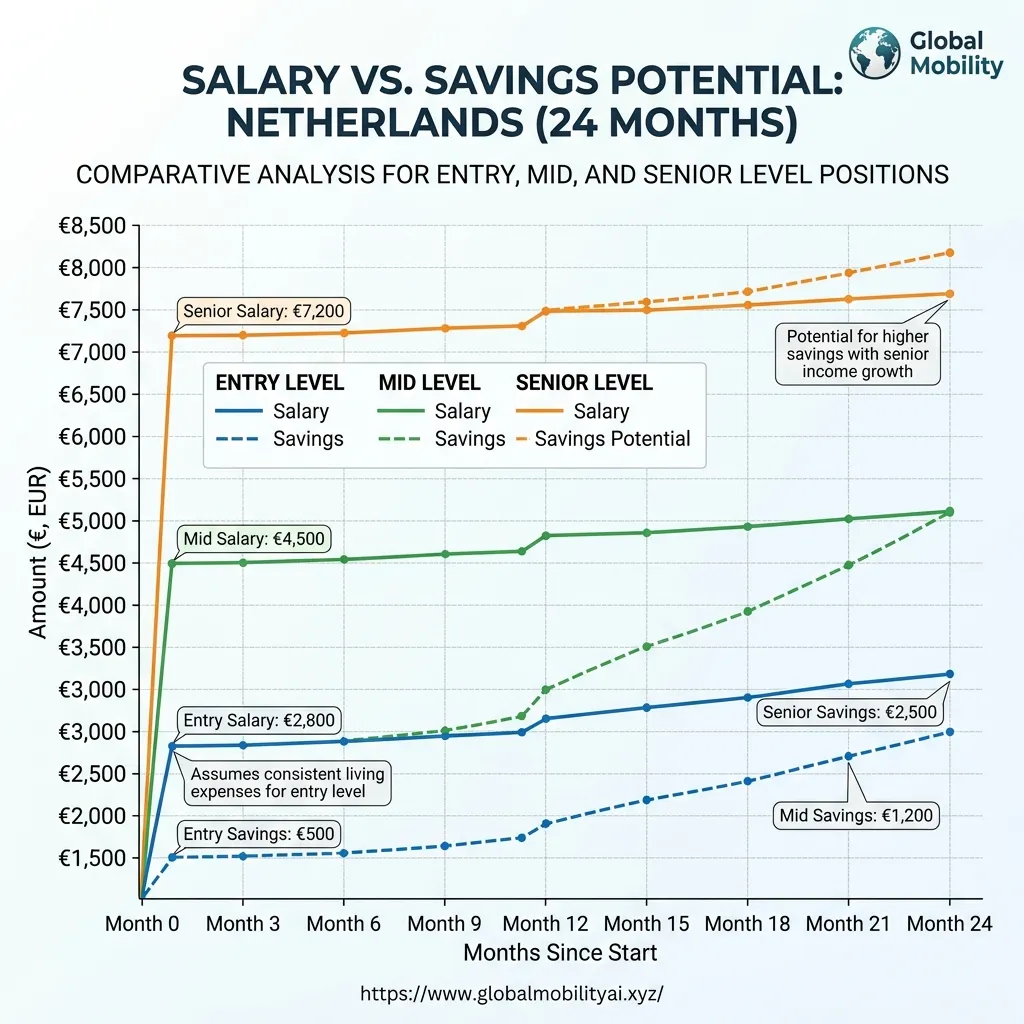
CHART-2: Salary vs. Savings Potential Line Chart - Netherlands 2026
Projected 24-month savings trajectory for highly skilled migrants in the Netherlands across three seniority levels.
5.2 In-Demand Skills & Sectors in 2026
The UWV (Employee Insurance Agency) report on labor shortages highlights a critical need for:
(Source: UWV Labor Market Report, 2024) [https://www.uwv.nl/overuwv/english/index.aspx]
5.3 How to Use GlobalMobilityAI Salary Comparison Tool
Before signing any contract, it is vital to benchmark your offer. The GlobalMobilityAI Salary Comparison Tool allows you to input your SOC code or job title and receive a "Market Conformity Score." For the Netherlands Highly Skilled Migrant Visa 2026, the IND will reject applications where the salary is significantly below the market median for the specific role, even if it exceeds the minimum threshold. Our tool helps you verify whether your offer aligns with the Dutch market median for your role, reducing the risk of a market conformity rejection by the IND.
6. CV Formatting — Dutch-Style Resume Guide
The Dutch labor market values efficiency, directness, and transparency. Your CV must reflect these cultural traits.
6.1 Netherlands CV Format Requirements
6.2 Common CV Mistakes That Get Applications Rejected
6.3 ATS Optimization for Dutch Job Portals
Dominant job portals in the Netherlands include LinkedIn, Indeed.nl, and specialized sites like StepStone.nl and StackOverflow for tech. To optimize for Dutch ATS:
7. Interview Tips for the Dutch Job Market
Dutch interviews are famous for their "no-nonsense" approach. There is very little "small talk" compared to American or Middle Eastern business cultures.
7.1 Cultural Interview Norms & Expectations
Expect direct questions about your weaknesses and failures. The Dutch value honesty over self-promotion. If you made a mistake, admit it and explain what you learned; trying to "spin" it will be viewed as untrustworthy.

IMG-07: Dutch Office Culture Collaboration
The Dutch "polder model" emphasizes consensus-building and professional transparency.
7.2 Common Interview Questions & Answer Frameworks
7.3 Dress Code, Punctuality & Professional Etiquette
7.4 Post-Interview Follow-Up Etiquette
Send a short, professional "thank you" email within 24 hours. Keep it brief. If you haven't heard back in a week, a single follow-up inquiry is acceptable.
8. 2026 Policy Updates: Netherlands Highly Skilled Migrant Visa Trends
The Dutch immigration landscape is currently navigating a period of legislative tightening, particularly concerning tax incentives and housing capacity.
8.1 Key Policy Changes Effective 2026
The most critical change for 2026 is the further "scaling down" of the 30% tax ruling. Effective January 2024 under the Belastingplan 2024, the ruling transitioned from a flat 30% for 5 years to a "30-20-10" model:
(Source: Belastingdienst, 2024) [https://www.belastingdienst.nl/wps/wcm/connect/en/individuals/content/coming-to-work-in-the-netherlands-30-percent-facility]
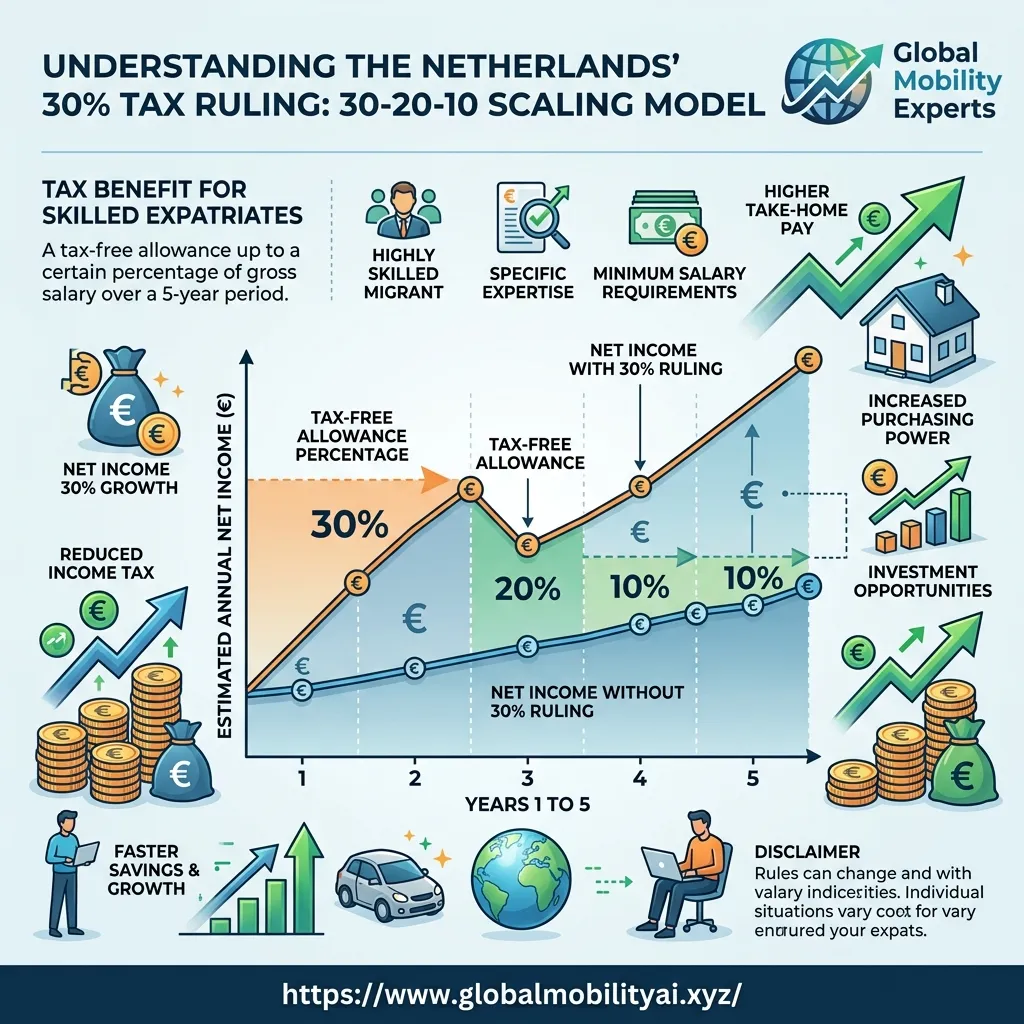
IMG-09: 30 Percent Tax Ruling Graph
The 30% ruling remains a powerful financial incentive for foreign experts in 2026.
Additionally, the minimum salary thresholds for the Netherlands Highly Skilled Migrant Visa 2026 are now adjusted annually on January 1st based on the index of negotiated wages. Applicants should monitor the Official IND News Page for the exact 2026 figures released in December 2025.
8.2 Immigration Trend Predictions (Data-Backed)
According to the OECD International Migration Outlook, the Netherlands is moving toward a more "sector-specific" recruitment strategy. While the highly skilled route remains open, there is a clear trend toward prioritizing MINT and healthcare roles over generic business administration roles. Processing times, which averaged 2–4 weeks in 2024, are expected to remain stable due to the full digitalization of the IND sponsor portal. (Source: OECD Migration Outlook, 2024) [https://www.oecd.org/migration/international-migration-outlook-1999124x.htm]
8.3 How These Changes Affect Your Application in 2026
The reduction in the 30% ruling means your "net" take-home pay will decrease slightly after the first 20 months. This makes salary negotiation during the hiring phase more critical than in previous years. We recommend using our Immigration Probability Score to assess if your current salary offer remains competitive and viable for long-term residency in light of these tax shifts.
9. Tactical Comparison Matrix
Choosing the right visa pathway is essential for long-term stability. The table below compares the Dutch Highly Skilled Migrant route with its primary alternatives.
| Visa Type | Eligibility | Min. Salary (Gross) | Processing Time | Difficulty | Est. Approval Rate* | Gov. Fee |
|---|---|---|---|---|---|---|
| Highly Skilled Migrant | Job offer (Sponsor) | €5,272 (30+) | 2–4 Weeks | Low | Platform Est.* | €350 |
| EU Blue Card | Degree + Job offer | €5,331 | 1–3 Months | Medium | Platform Est.* | €350 |
| ICT (Intra-Company) | Transfer w/in MNC | Market Rate | 1–2 Months | Medium | Platform Est.* | €350 |
| Orientation Year | Recent Grad (Top 200) | €2,773 | 4–8 Weeks | Very Low | Platform Est.* | €210 |
| Self-Employed (ZZP) | Business Plan | Variable | 3–6 Months | High | Platform Est.* | €1,500 |
| Startup Visa | Innovation + Mentor | Variable | 3 Months | Medium-High | Platform Est.* | €350 |
*Internal platform estimate. Official approval rates not publicly published by the IND. Monitor: ind.nl/en/figures-and-publications.
(Source: IND Fees & Rules, 2024) [https://ind.nl/en/fees]
10. Execution Roadmap: Phase-by-Phase
A successful relocation to the Netherlands is a project management exercise. Follow this timeline to ensure a smooth transition.
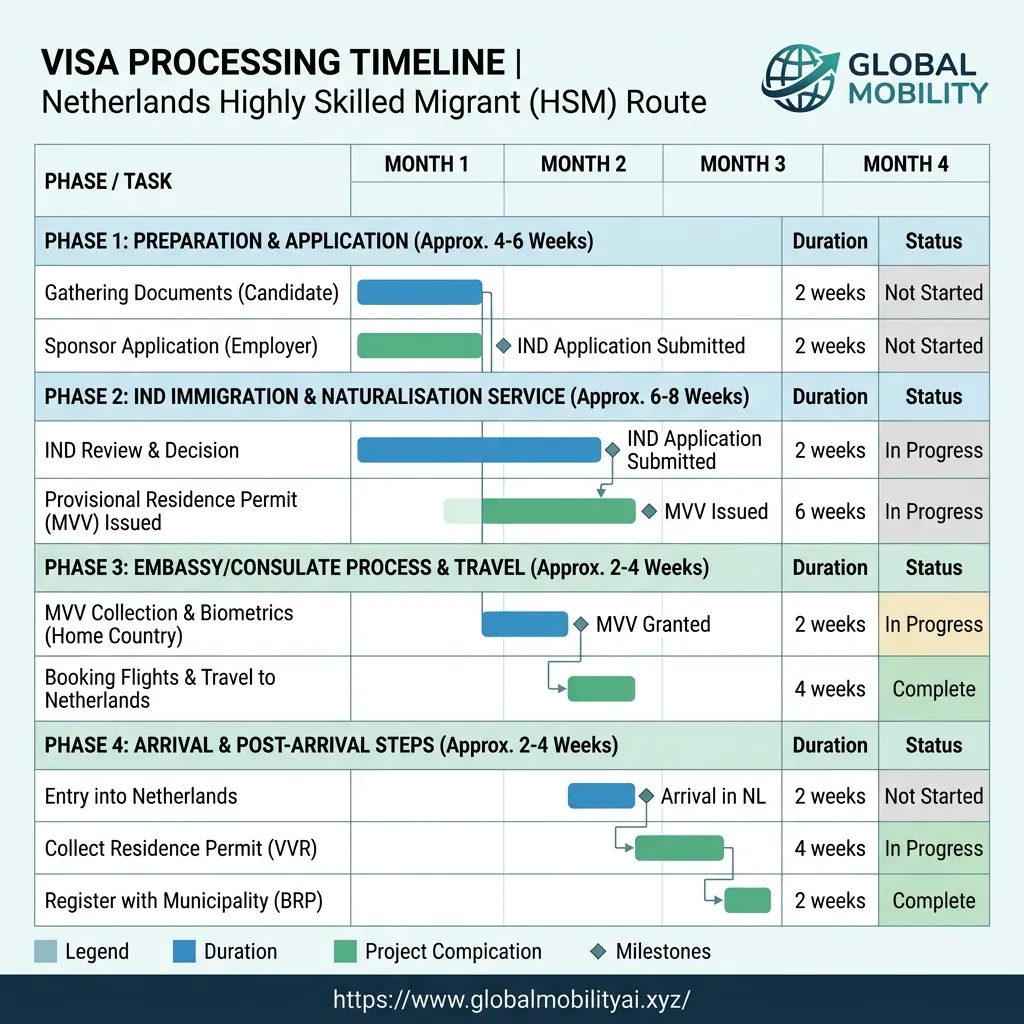
CHART-3: Visa Processing Timeline Gantt Chart - Netherlands 2026
Visual timeline of the relocation process, from initial job offer to final Dutch municipality registration.
Phase 1 — Preparation (Months 1–2):
Secure a job offer from an IND Recognized Sponsor. Authenticate your birth and marriage certificates (Apostille) as these are required for municipality registration in the Netherlands.
Phase 2 — Application (Months 3–4):
Your employer submits the application to the IND. Once approved, you apply for your MVV (entry visa) at the Dutch embassy in your home country (if applicable).
Phase 3 — Arrival & Administration (Month 5):
Arrive in the Netherlands. Collect your residence permit from the IND, register with the local municipality (Gemeente) to get your BSN (Citizen Service Number), and set up your DigiD.
Phase 4 — Settlement & Permanent Residency (Month 12+):
Apply for the 30% ruling (via your employer), set up Dutch health insurance, and begin the 5-year countdown to permanent residency or citizenship.
11. Critical Risk Factors & Common Pitfalls
12. FAQ — People Also Ask
Q: What is the minimum salary for Netherlands Highly Skilled Migrant Visa 2026?
A: Based on the 2024 IND thresholds of €5,272/€3,865/€2,773 — 2026 figures are updated annually on 1 January: monitor IND Required Income Amounts{target="_blank" rel="noopener"}. It is critical that your base salary meets these requirements independently of bonuses or non-guaranteed allowances. You can use the GlobalMobilityAI Salary Comparison Tool to verify if your specific job offer meets these requirements.
Q: How long does it take to process a Dutch highly skilled migrant visa in 2026?
A: Thanks to the Recognized Sponsor system, the IND typically processes these applications within 2 to 4 weeks. This makes the Netherlands one of the fastest countries in Europe for skilled labor migration. However, you must also account for the time required to collect your MVV entry visa at a Dutch embassy, which can add 1 to 2 weeks depending on your location. Total "offer-to-arrival" time is usually 8 to 12 weeks.
Q: Can I bring my family on a Netherlands Highly Skilled Migrant Visa?
A: Yes. Your spouse, registered partner, and minor children are eligible for dependent residence permits. Crucially, partners of highly skilled migrants are granted "full access to the labor market," meaning they do not need a separate work permit to take a job or start a business in the Netherlands. This is a significant advantage over the US H-4 or German dependent visas. To model the financial impact of dependent permits on your household savings, use the GlobalMobilityAI Cost of Living Calculator at globalmobilityai.xyz/tools/savings-calculator.
Q: What is the 30% ruling in the Netherlands and how does it change in 2026?
A: The 30% ruling is a tax advantage for recruited foreign experts. It allows employers to pay 30% of your gross salary tax-free. In 2026, the new "30-20-10" rule applies, where the tax-free percentage drops from 30% to 20% after 20 months, and to 10% after 40 months, for a total duration of 5 years. This change makes accurate financial planning essential.
Q: Do I need a job offer before applying for the Netherlands Highly Skilled Migrant Visa?
A: Yes. This is an employer-led visa. You cannot apply for this visa independently. Your Dutch employer must initiate the process on your behalf. If you do not have a job offer, you may want to explore the "Orientation Year" visa for graduates or the "Startup Visa" if you intend to launch an innovative business. Check your eligibility with our Immigration Probability Score tool.
Q: What are the requirements for a recognized sponsor in the Netherlands?
A: A recognized sponsor is a company that has been vetted by the IND for reliability and financial stability. They pay a one-time fee and must comply with a duty of administration and information. Most major Dutch multinationals and tech startups are already recognized sponsors. You can find the full list on the official IND website and evaluate sponsor-specific approvals via the GlobalMobilityAI Visa Success Probability Calculator.
Q: Can I change employers on a highly skilled migrant visa in the Netherlands?
A: Yes, provided the new employer is also an IND Recognized Sponsor. You have a 3-month window to find a new role if your current contract ends. The new employer must notify the IND of the change. Your residence permit remains valid during this transition, provided you stay within the 90-day search period.
Q: Is the Netherlands Highly Skilled Migrant Visa a path to permanent residency?
A: Yes. After 5 years of continuous legal residence in the Netherlands, you are eligible to apply for Permanent Residency or Dutch Citizenship. You must pass a "civic integration" (inburgering) exam, which includes basic Dutch language proficiency. The highly skilled migrant years count fully toward this 5-year requirement.
13. Conclusion: The Strategic Bottom Line
Securing a Netherlands Highly Skilled Migrant Visa 2026 is more than just obtaining a work permit; it is a strategic investment in global mobility, fiscal optimization, and long-term stability. While the 2026 tax updates to the 30% ruling require more careful financial modeling, the fundamental strengths of the Dutch "Knowledge Economy" remain undisputed. If you are a professional in tech, engineering, or international business, the Netherlands offers a path to residency that is characterized by speed, transparency, and a high ceiling for career growth.
The key to success lies in two areas: identifying a recognized sponsor and meticulously validating your salary offer against market conformity rules. Before you commit to a relocation of this magnitude, we recommend running your profile through the GlobalMobilityAI AI Visa Predictor and benchmarking your potential take-home pay with our 2026 cost data. As we explored in our UK Skilled Worker Visa 2026 guide, the global competition for talent is intensifying—positioning yourself in the Dutch market today ensures you are ahead of the 2027 regulatory curve. Your future in the Netherlands starts with a single, data-backed decision.
Predict your mobility score.
Use our AI engine to get your personalized visa pathway, salary prediction, and relocation roadmap.
More Insights

UAE Golden Visa 2026: Eligibility, Tiers & Residency Guide